

Introduction: The New Era of Silent Luxury
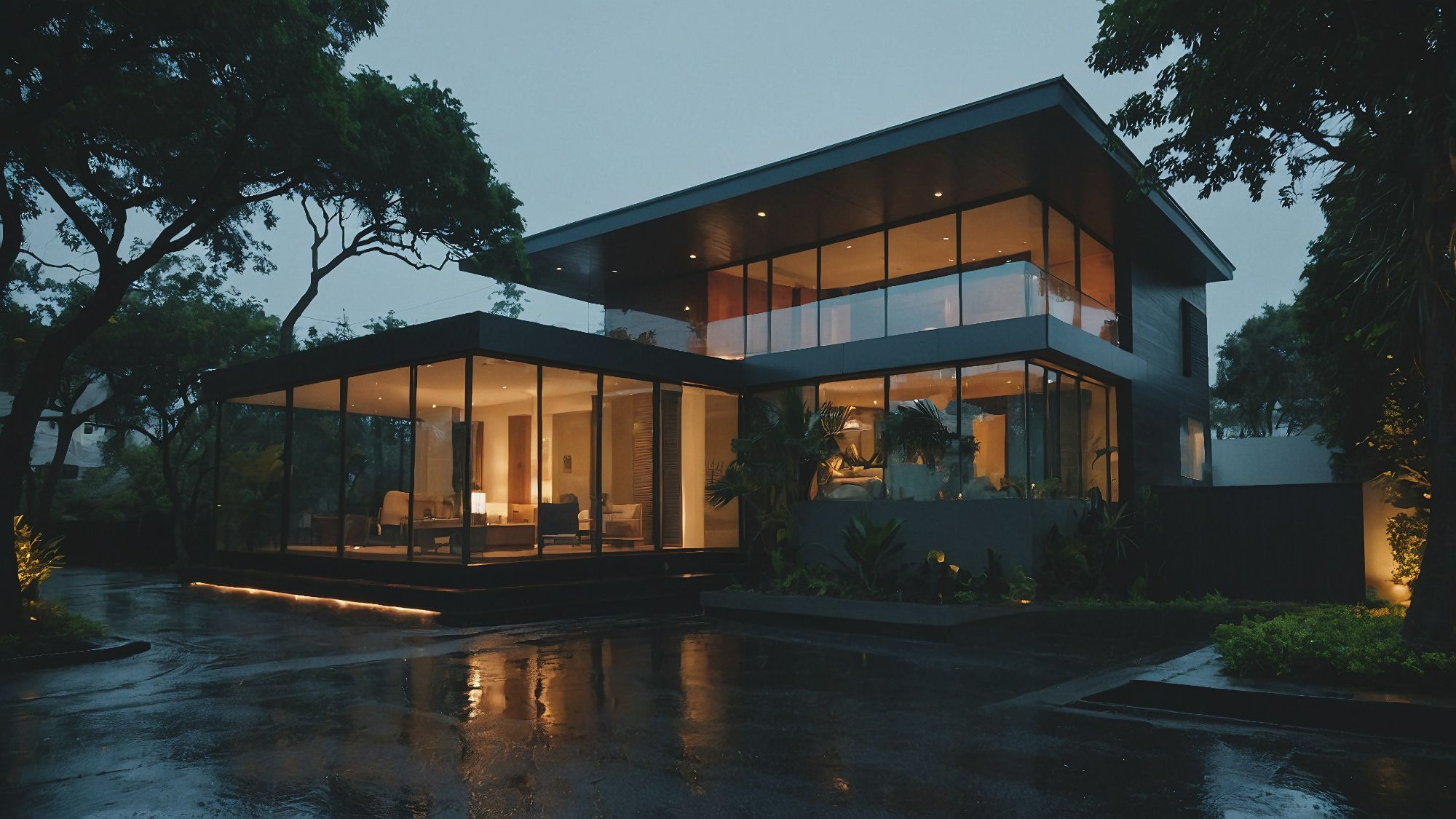
Forget the sterile, cold minimalism of the past decade. As we move into 2026, the global elite are shifting toward a more “grounded” form of opulence. Enter Afrohemian Luxury—a sophisticated fusion of African heritage, bohemian freedom, and future-ready technology. This isn’t just a design trend; it’s a movement toward homes that breathe, sustain themselves, and tell a story through every charcoal stone and hidden solar tile.
1. What is Afrohemian Architecture?
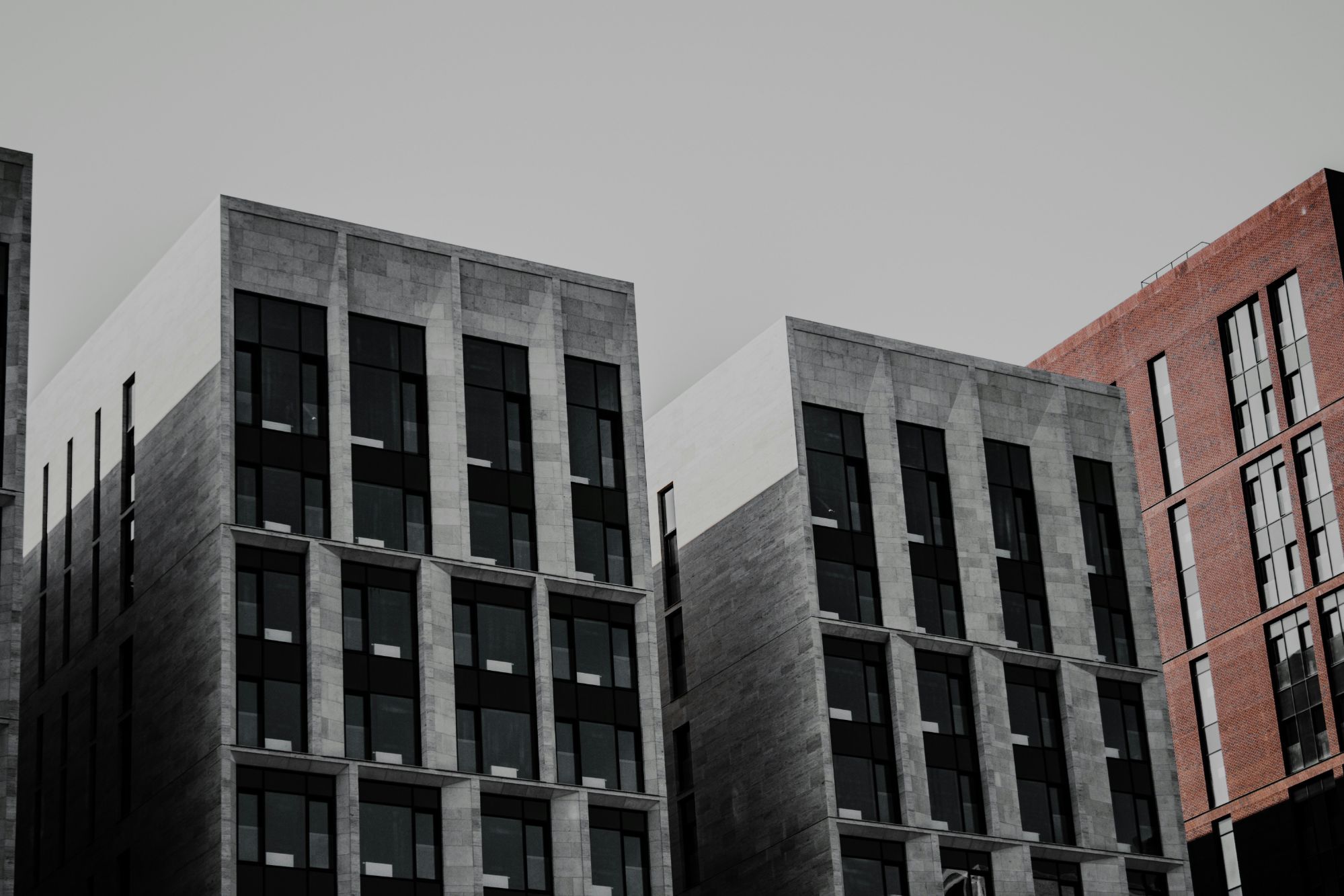
Afrohemian design (a blend of African-inspired aesthetics and Bohemian textures) has seen a staggering +220% surge in interest on Pinterest for 2026. It replaces the “white box” mansion with spaces that feel introspective and sophisticated. The palette is dominated by “Grounded Luxury” tones: chocolate brown, deep terracotta, oxidized blues, and moss greens.
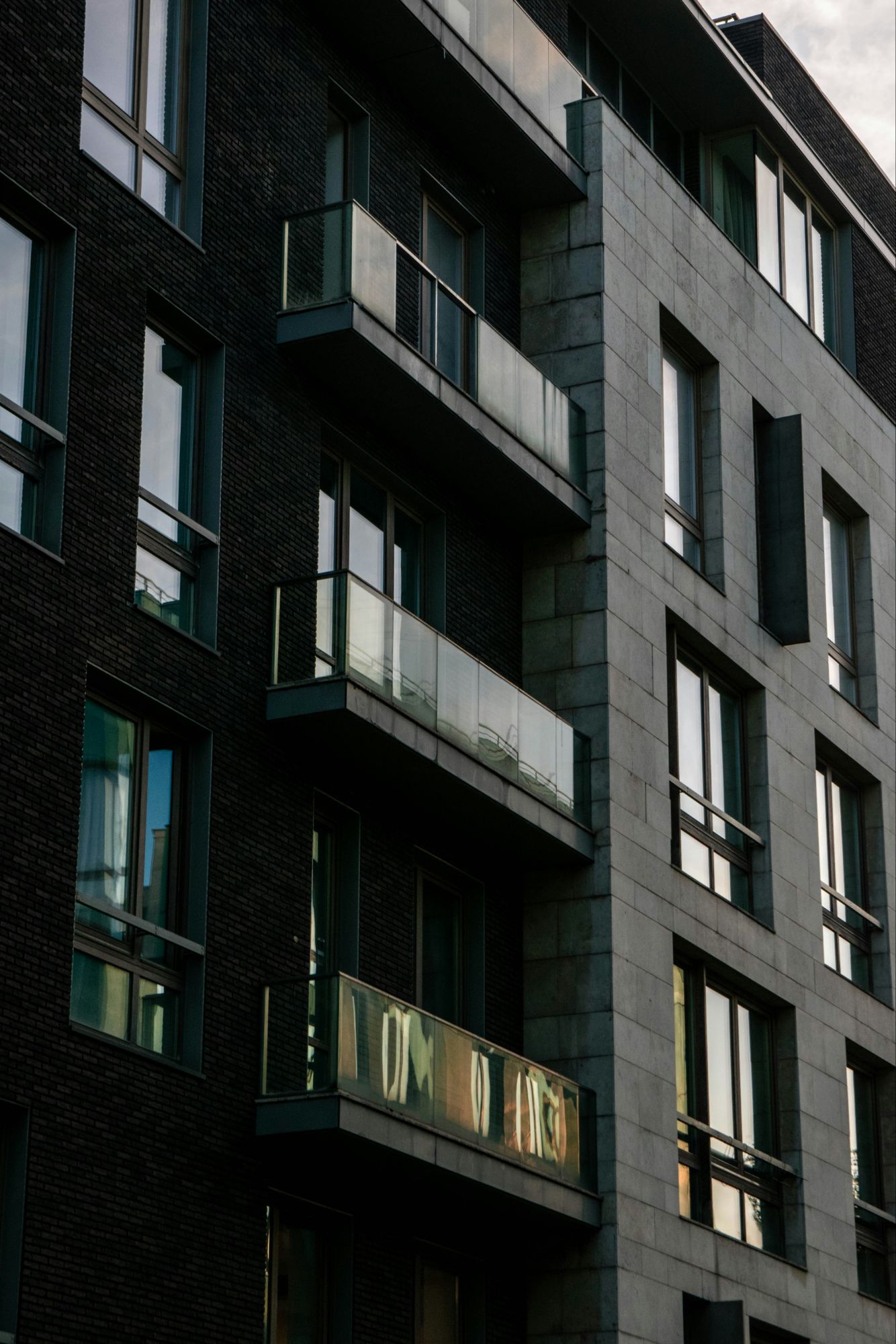
- Materiality: The use of raw timber, local slate, and hand-carved stone.
- The Vibe: It is “Silent Luxury”—understated, tactile, and durable.
- Cultural Soul: Incorporating artisanal Nigerian textiles or Ethiopian-inspired wall art into a hyper-modern architectural shell.
2. Biophilic Layouts: Bringing the Outdoors In
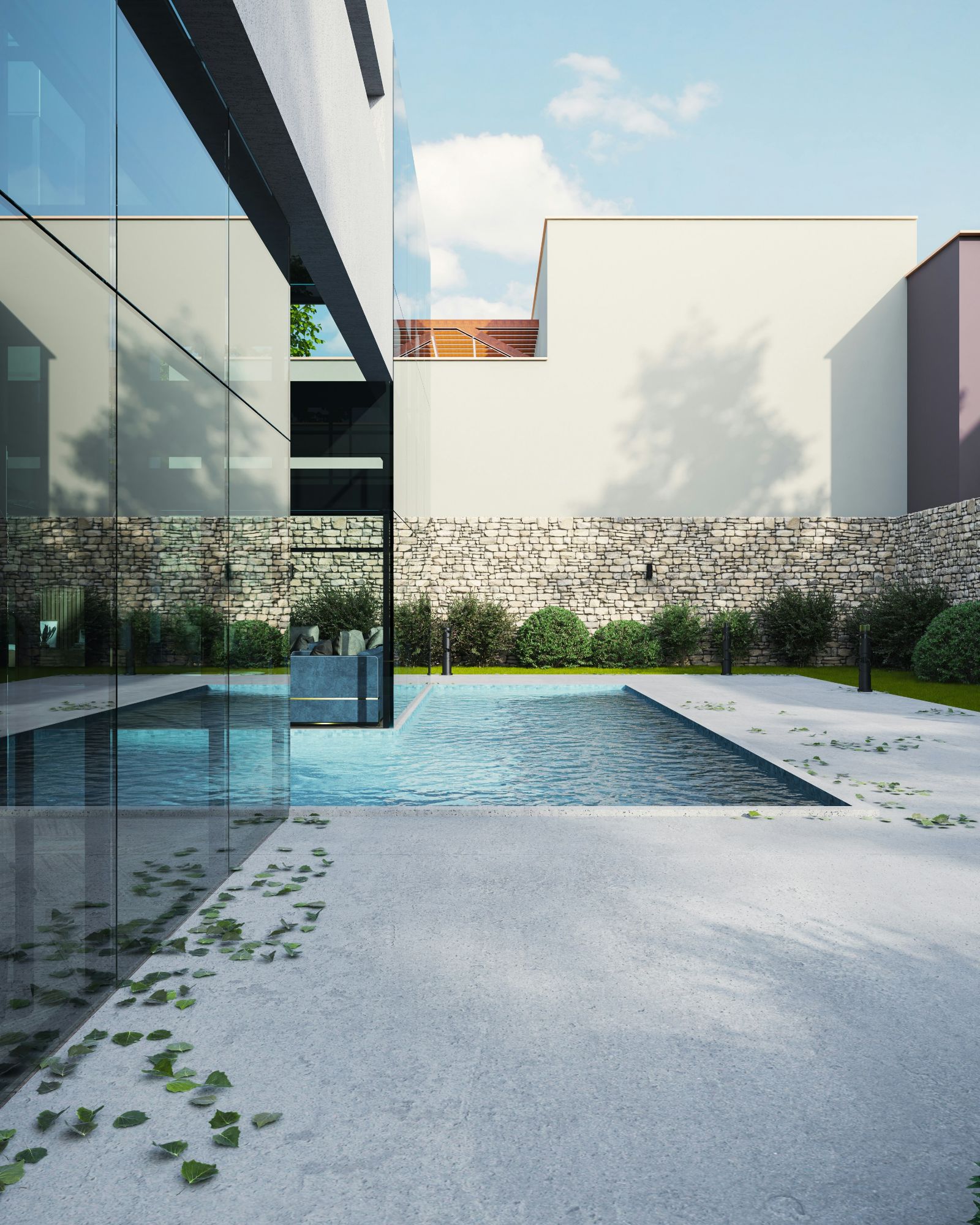
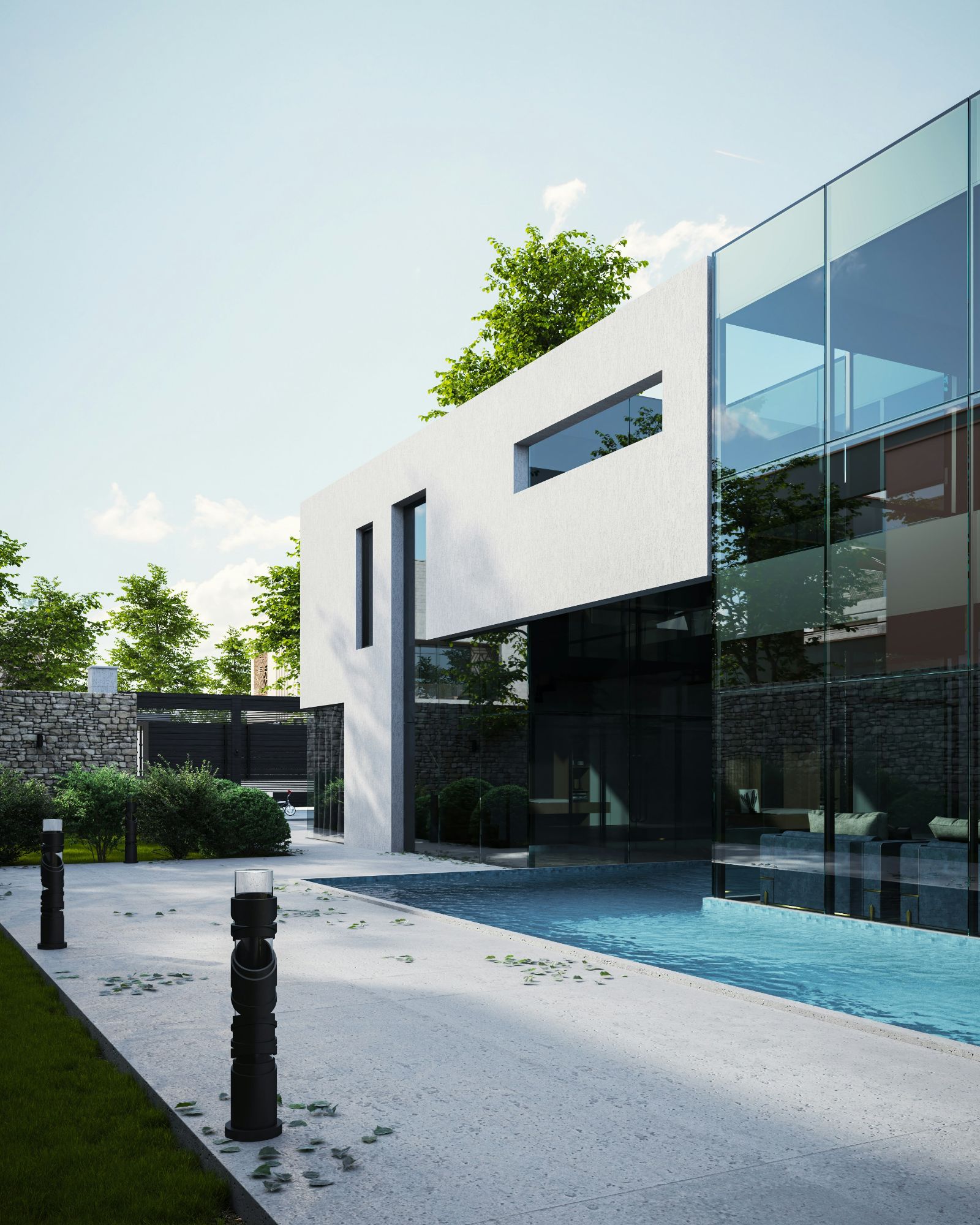
In 2026, a luxury home is judged by its connection to nature. Biophilic design focuses on our instinctual need to cohabitate with the natural world. In an Afrohemian mansion, this means floor-to-ceiling glass walls that dissolve the boundary between the living room and the garden.
“Luxury is no longer about what you own; it’s about how you feel. A home that flows with natural light and air reduces stress and increases longevity.”
3. Invisible Energy: The Rise of Hidden Solar Roofs
The biggest architectural “eyesore” of the past was the bulky blue solar panel. In the Future Living niche, we use BIPV (Building Integrated Photovoltaics). These are solar cells built directly into the materials.
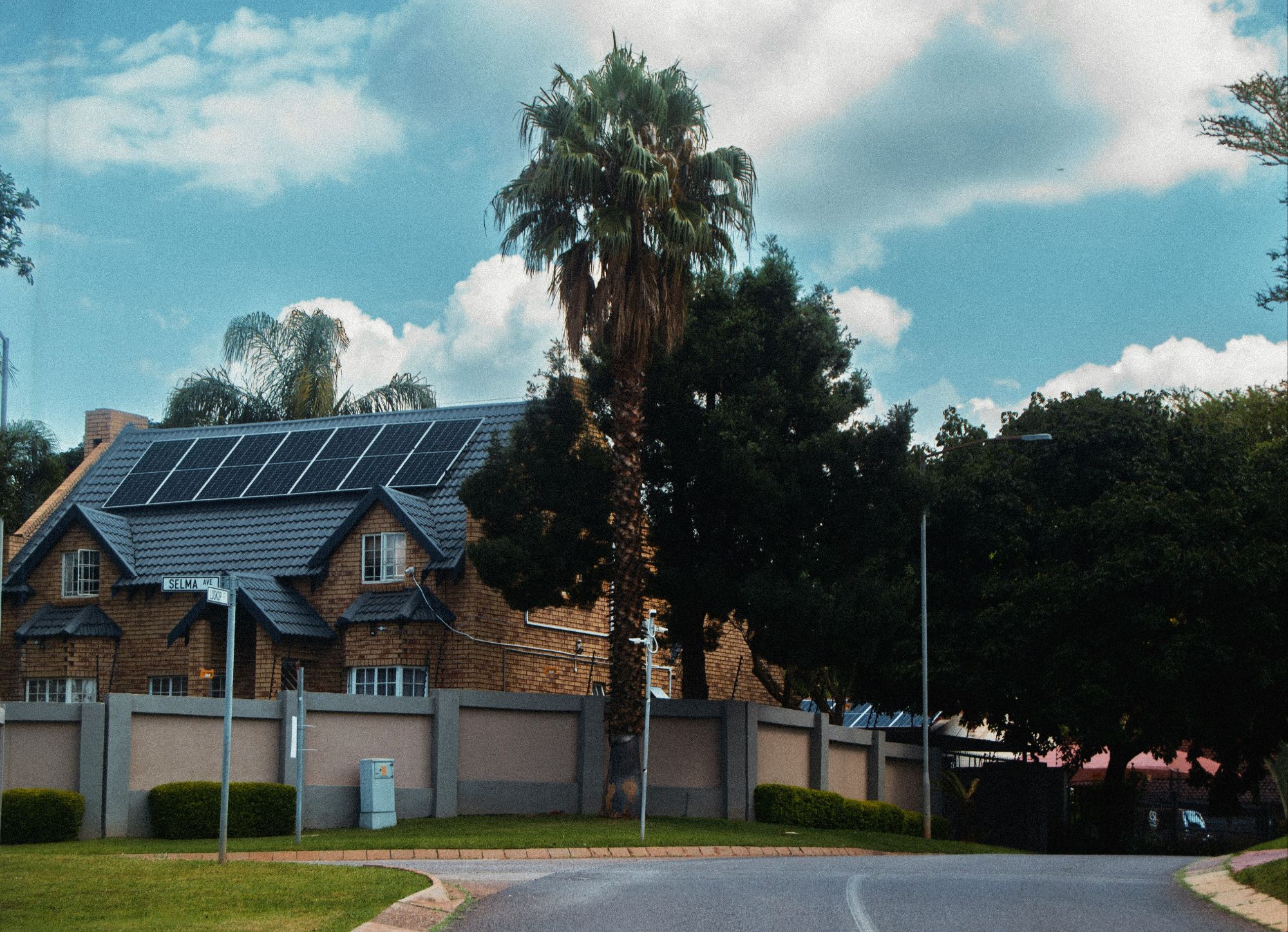
Hidden Roofs: Modern solar tiles, like the Marley SolteQ or Tesla’s latest iterations, are indistinguishable from regular charcoal concrete tiles. They can withstand 30mm hailstones while powering a 5-bedroom home silently.
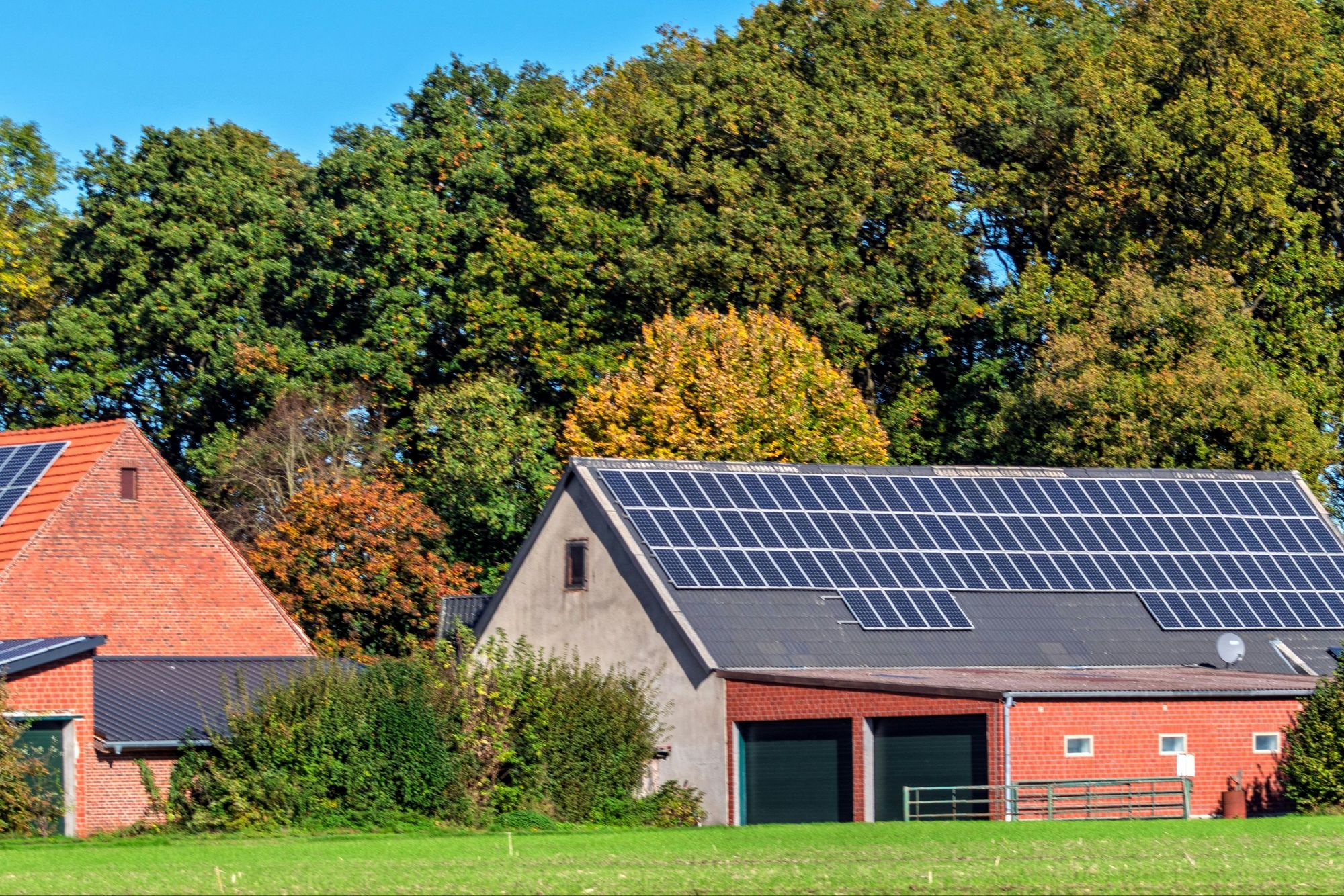
Comparison: Traditional vs. Future Eco-Luxury
| Feature | Traditional Luxury | Afrohemian Eco-Luxury (2026) |
|---|---|---|
| Primary Materials | Polished Marble / Chrome | Raw Slate / Reclaimed Timber / Bronze |
| Energy Source | Grid Power / Generator | Hidden Solar Tiles / Battery Backup |
| Lighting Style | Bright Recessed Downlights | Warm LED Up-lighting / Smart Glass |
| Windows | Standard Double Glazing | “Cool Blue” Solar Concentrator Glass |
4. Technical Specs for the “Grounded” Interior
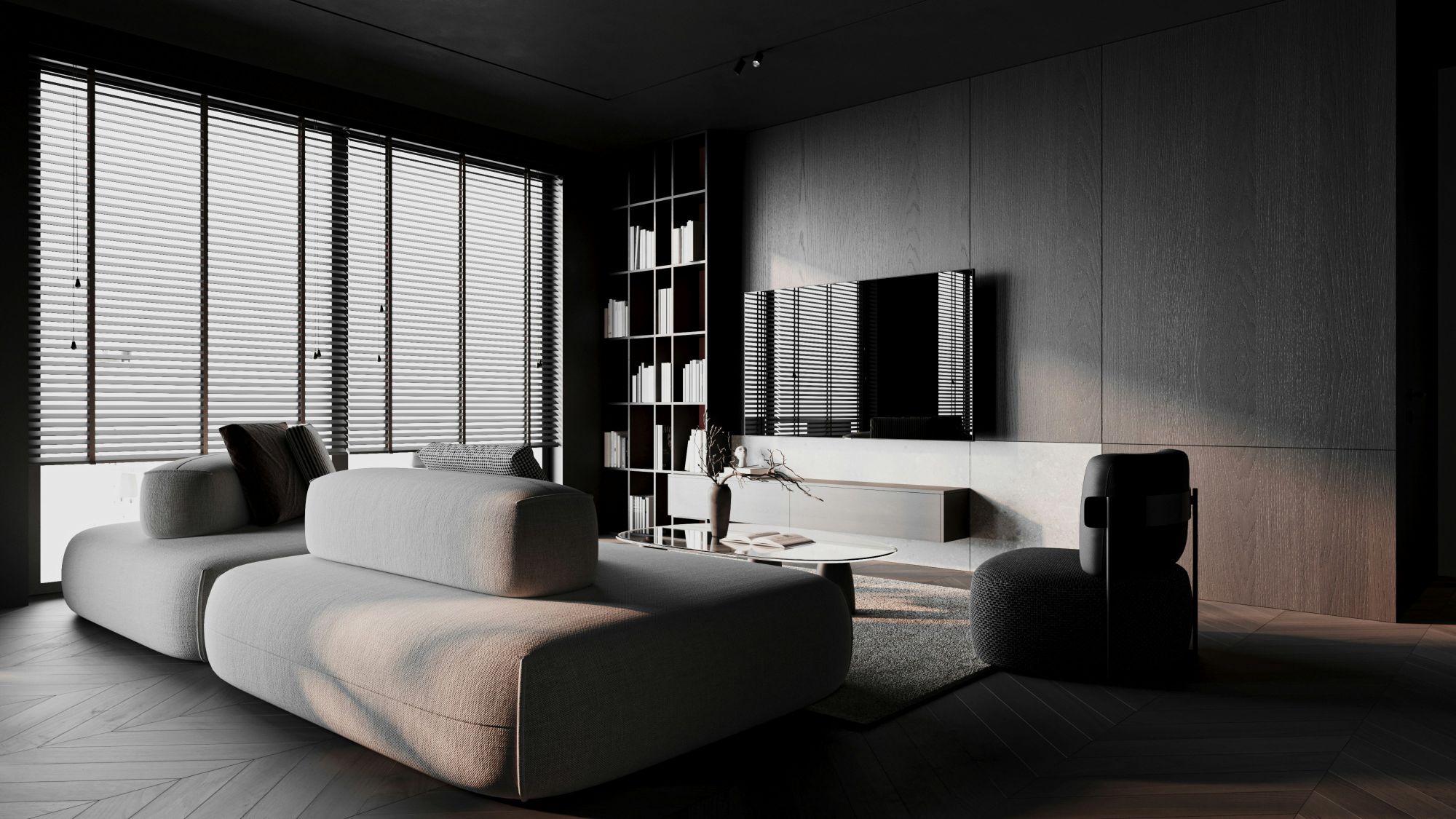
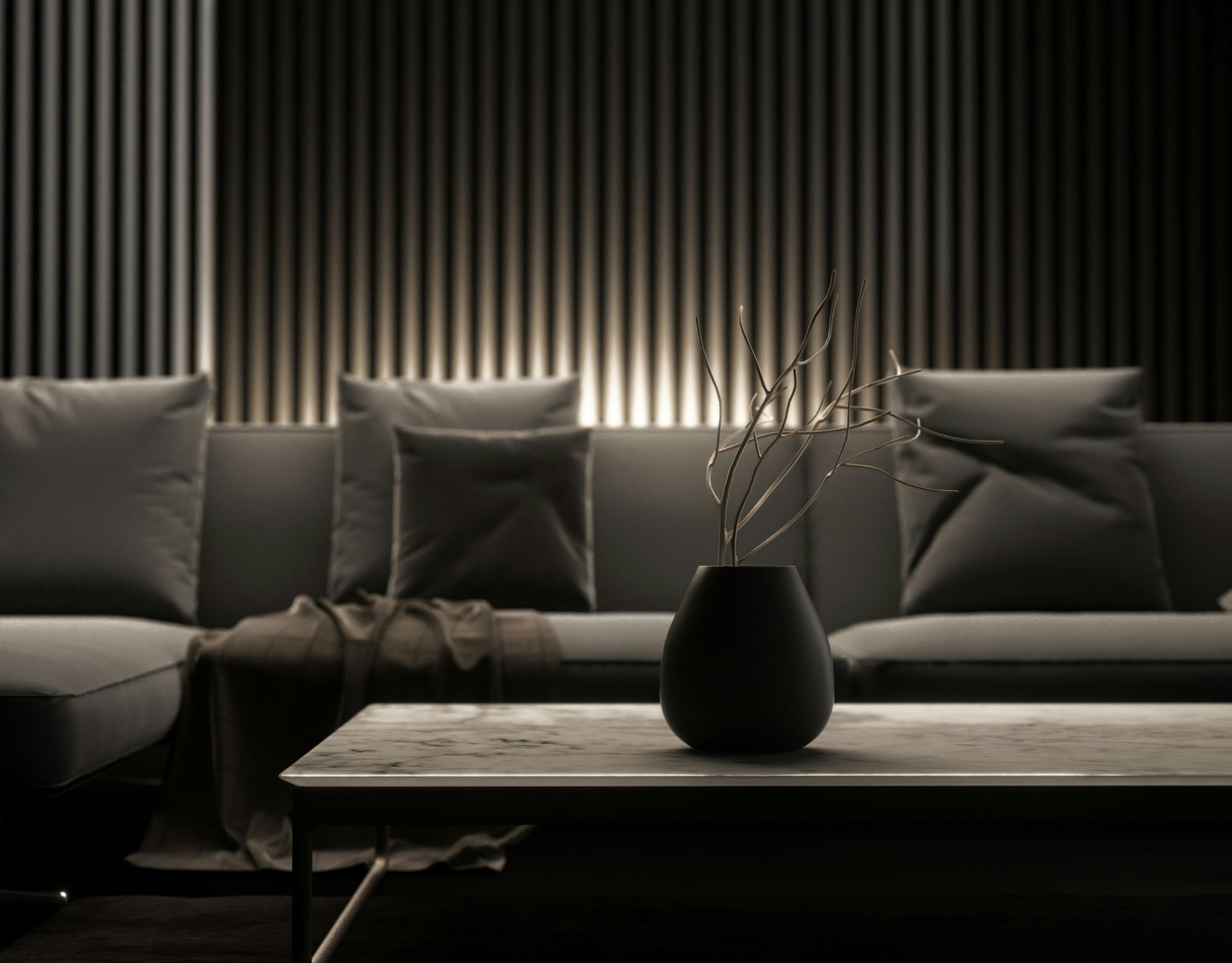
To achieve the “Grounded Luxury” look, architects are focusing on Tactile Surfaces. We are seeing a move toward matte, velvety finishes on floors and walls. Using Charcoal Stone (like slate or basalt) provides a dramatic backdrop that makes warm LED lighting pop, creating an “emotional grammar” in the room.
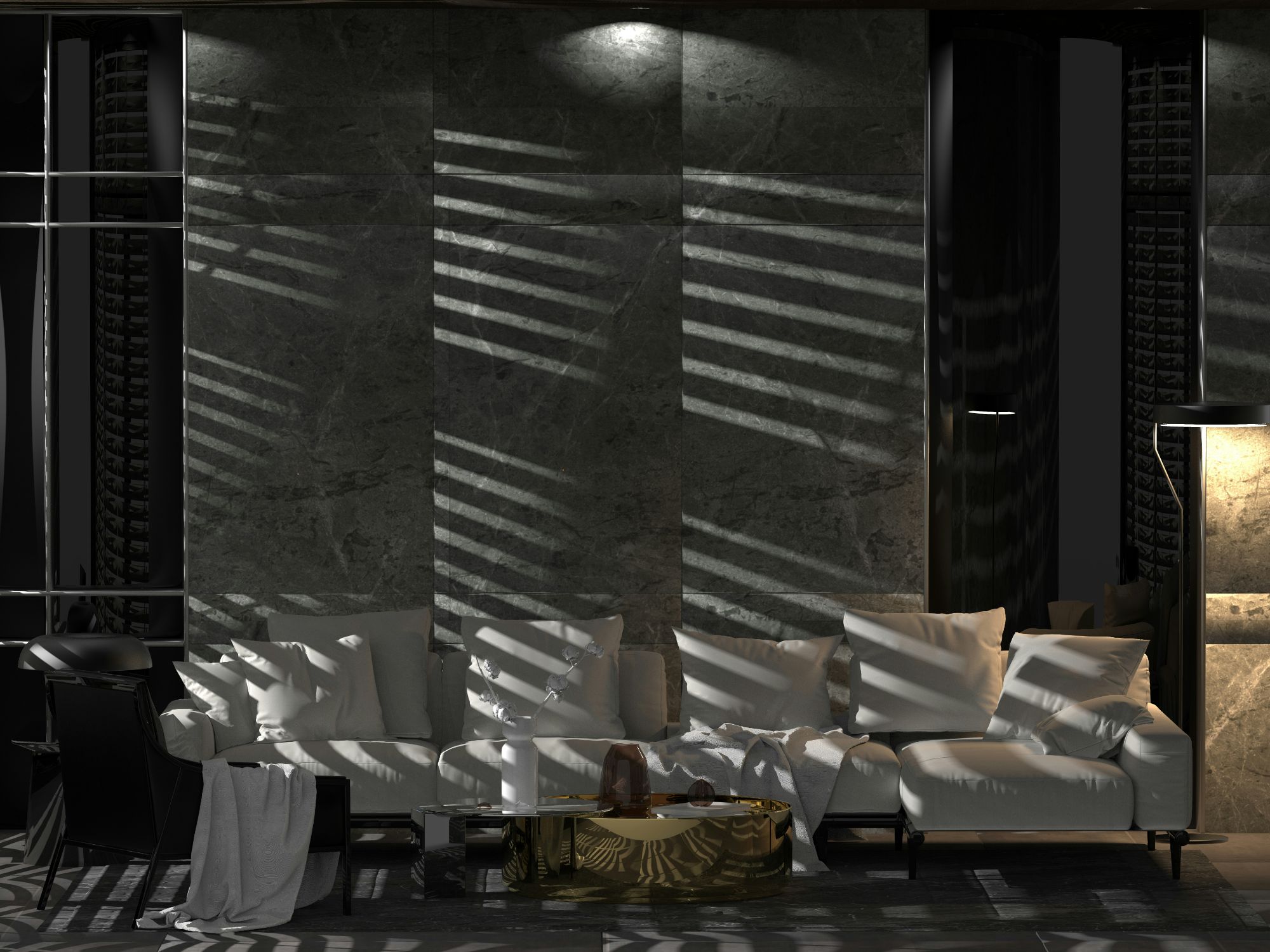
5. The Financial Advantage of Sustainable Luxury
While the initial setup for BIPV glass and hidden solar roofs can range between $280-$400 per square meter, the long-term ROI is unmatched. By 2026, homes that are “Net-Zero” or grid-independent are valued 15-20% higher in the real estate market. In regions like Gauteng, South Africa, where load-shedding is a factor, these “Future Living” systems aren’t just a luxury—they are a necessity for a seamless lifestyle.
Frequently Asked Questions (FAQ)
Q: What is the best color for a modern luxury exterior?
A: Charcoal and deep earth tones are trending for 2026 as they absorb visual noise and blend into the landscape.
Q: Can hidden solar roofs really power a whole house?
A: Yes. Modern solar tiles generate between 80-160 W/m2. A standard 30m2 installation can generate up to 5,000 kWh annually.
Q: Is Afrohemian design expensive to implement?
A: It focuses on quality over quantity. By using local materials and artisanal pieces, you can achieve a high-end look without the markup of imported Italian marble.
Published by your Future Living Expert. Join the movement toward sustainable, grounded luxury today.